ONE GROUP. ONE VISION. LASTING VALUE.info@jaipuri.com ↗
JAI PURI HOLDINGS / CRITICAL MINERALS
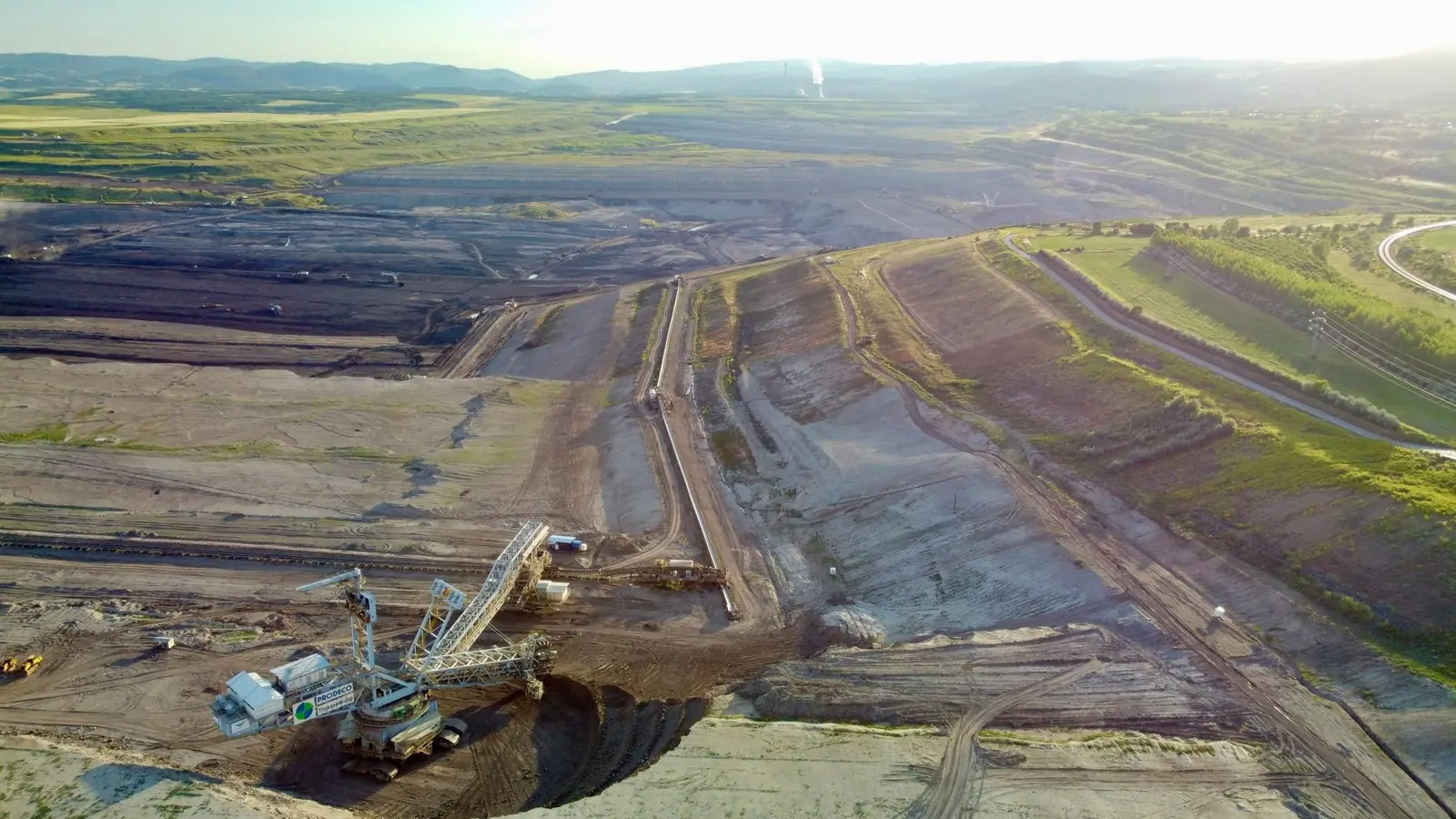
Building responsible mineral value chains that support advanced manufacturing, clean energy, infrastructure and next-generation technologies.
Critical minerals have moved from a specialist industrial concern to a central pillar of global economic and technological planning. Lithium, cobalt, nickel, graphite, copper, rare earth elements and a growing list of related materials now sit at the foundation of energy transition, electric mobility, advanced electronics, telecommunications, aerospace and defence, and next-generation manufacturing.
JAI PURI CRITICAL MINERALS is focused on the identification, sourcing, development, processing, supply and strategic management of critical and strategic mineral resources that support these industries. Our approach is built around responsible sourcing, disciplined resource development, and long-term industrial relationships rather than short-term commodity movement.
Across exploration, processing and supply-chain development, we are focused on building value through strategic partnerships — with mining companies, processing specialists, technology providers and industrial customers — so that mineral resources can move responsibly and efficiently from the ground to the industries that need them.
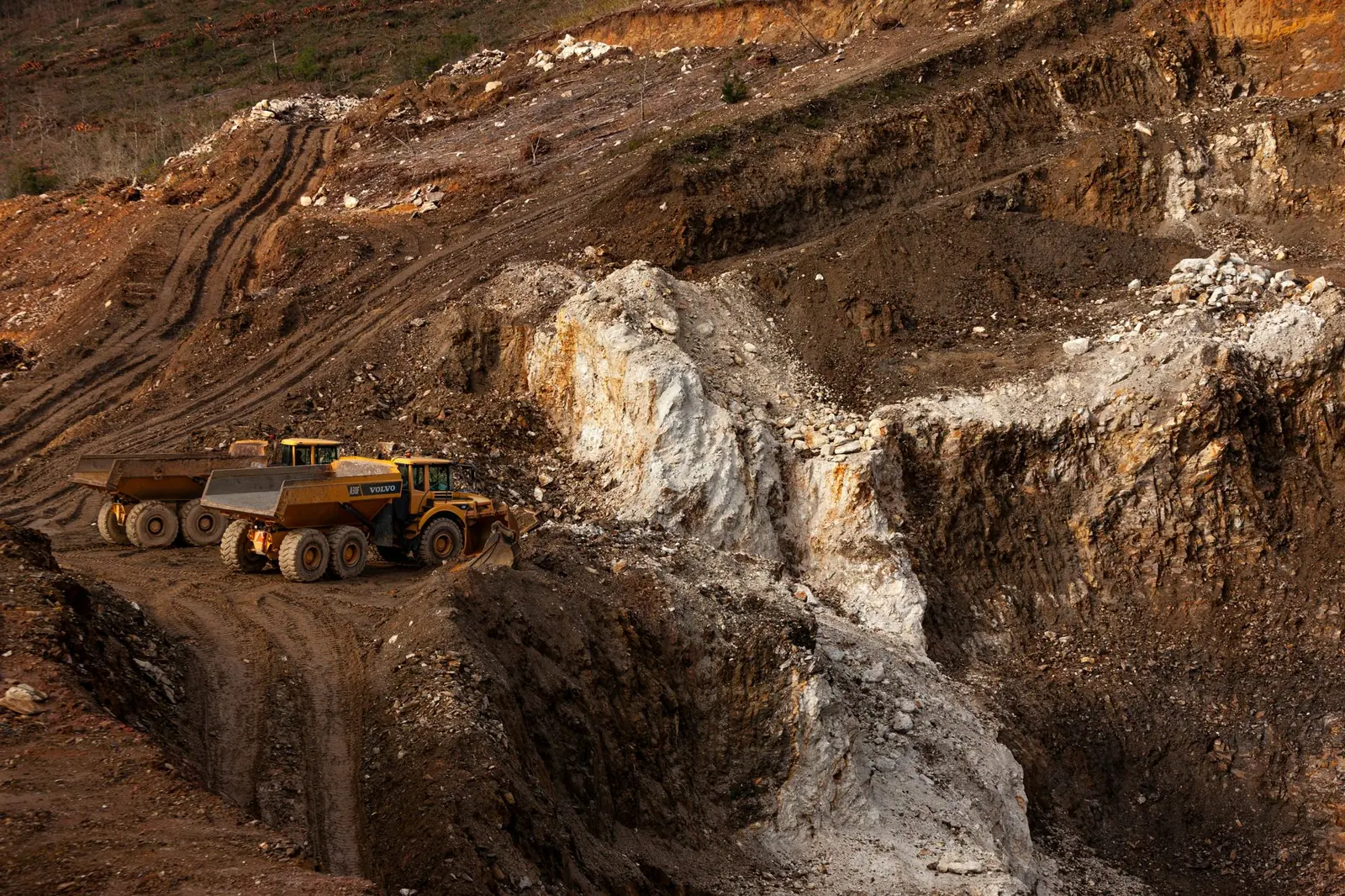
JAI PURI CRITICAL MINERALS is exploring opportunities across a broad range of mineral groups through strategic partnerships, sourcing relationships and potential participation in processing and supply. References below describe the minerals and their industrial importance; they do not represent current production, ownership or reserves.
Lithium is a lightweight alkali metal central to the batteries that power electric vehicles, consumer electronics and stationary energy storage systems. Its strategic importance stems from the scale of global battery demand and the concentration of supply in a small number of regions.
Potential role: exploring sourcing and supply-chain partnerships that connect lithium resources with battery and energy-storage manufacturers.
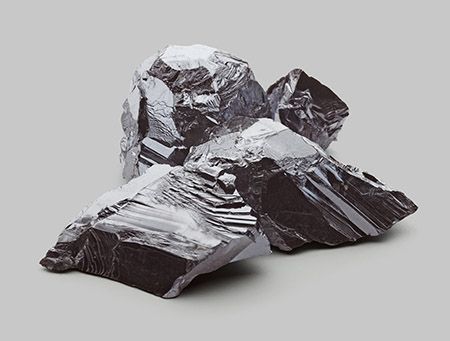
Cobalt improves the thermal stability and energy density of lithium-ion battery cathodes and is a key element in high-temperature superalloys. Its strategic significance comes from its role in both energy storage and aerospace-grade materials, alongside a historically concentrated supply base.
Potential role: working toward responsible sourcing relationships that support battery and advanced-materials supply chains.
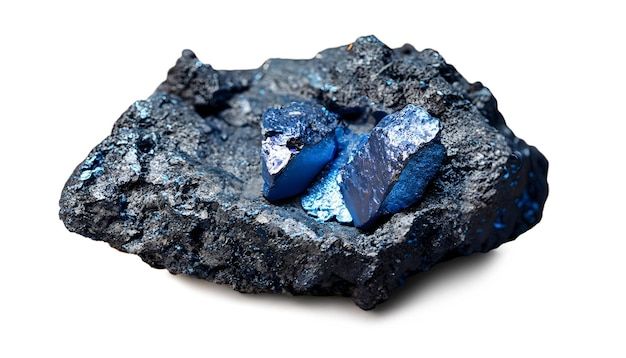
Nickel is a corrosion-resistant metal used extensively in stainless steel and, increasingly, in high-energy battery cathodes. Its dual role across traditional industry and the energy transition makes it a mineral of growing strategic weight.
Potential role: focused on identifying nickel sourcing and partnership opportunities linked to industrial and battery-grade demand.
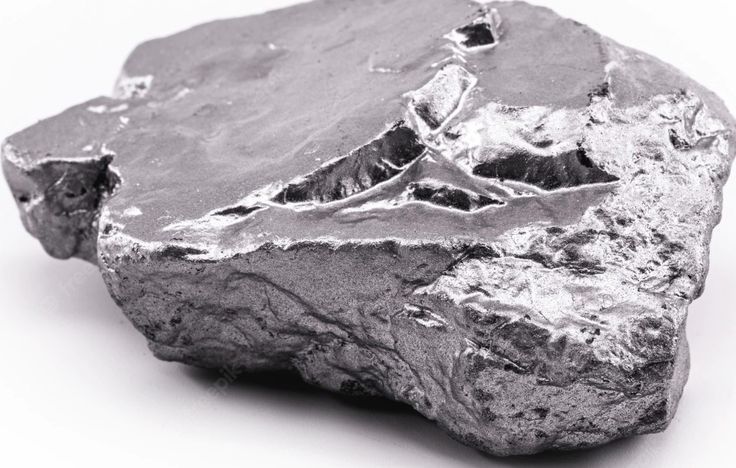
Graphite, in both natural and synthetic form, is the primary anode material in virtually all lithium-ion batteries and remains essential to steelmaking refractories. Its strategic relevance is tied closely to the scale of global battery production.
Potential role: exploring sourcing and processing partnerships across the graphite value chain.
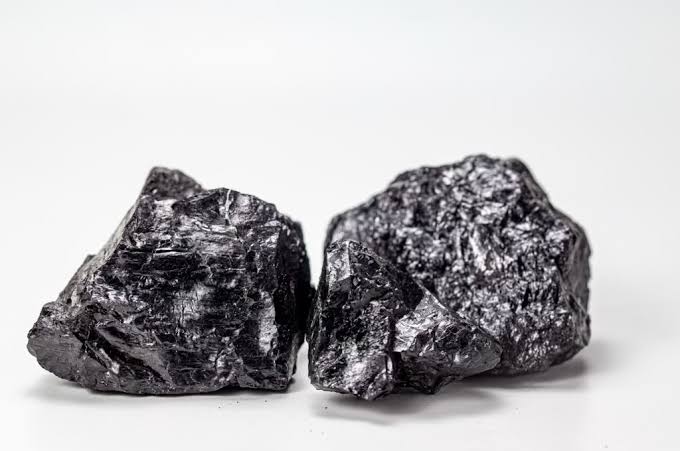
Copper's electrical and thermal conductivity make it fundamental to power grids, motors, electronics and the broader electrification of transport and industry. Growing demand from grid expansion, renewable energy and electric mobility has elevated copper's strategic profile globally.
Potential role: working toward supply relationships that support copper-intensive industrial and energy customers.

Rare earth elements are a group of seventeen elements essential to permanent magnets, precision electronics and defence-grade technologies. Their strategic importance is amplified by highly concentrated global processing capacity. See the dedicated Rare Earth Elements section below for more detail.
Potential role: focused on exploring responsible sourcing and value-addition opportunities within the rare earth value chain.
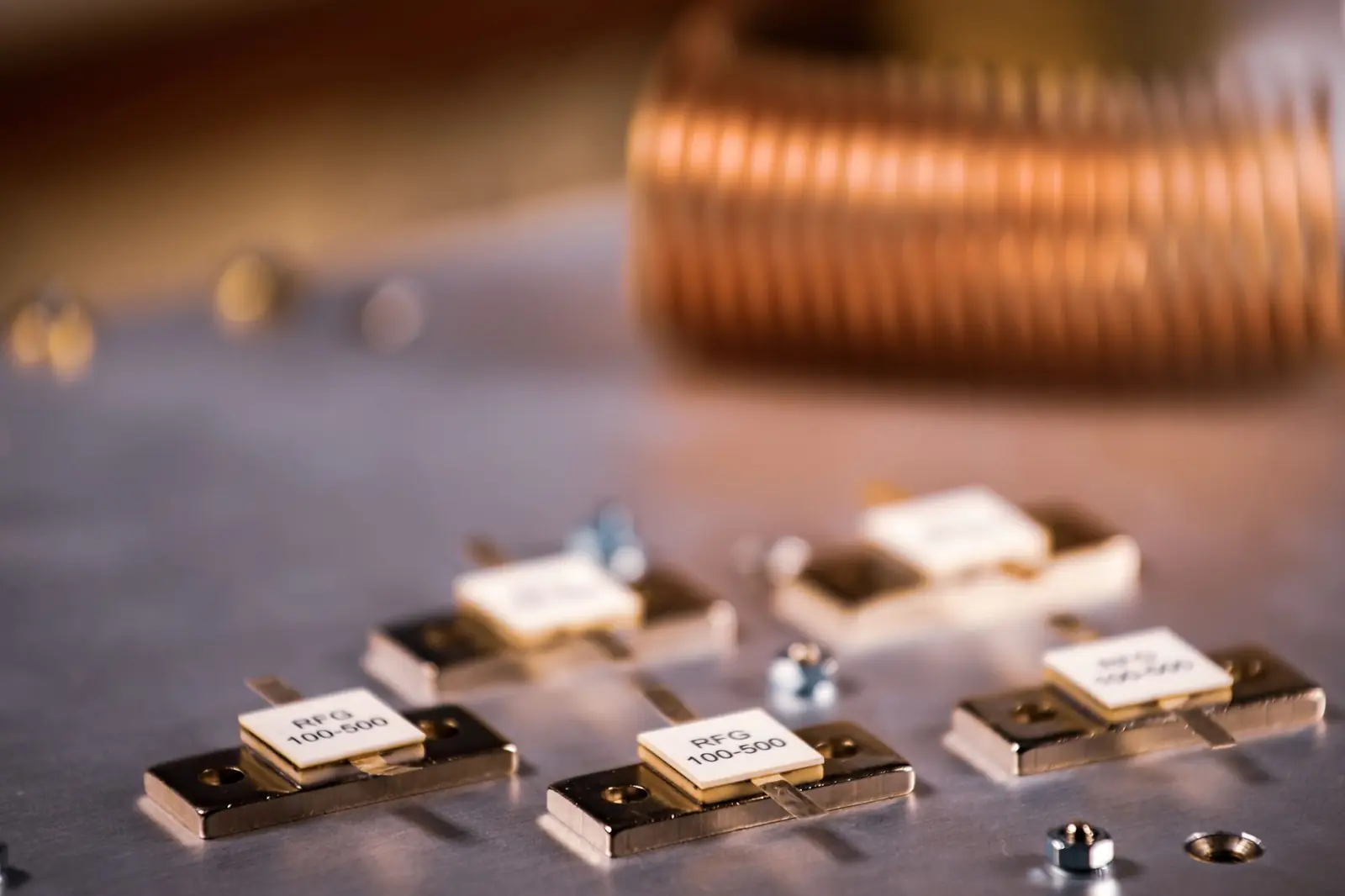
Uranium is the primary fuel for nuclear power generation, supporting low-carbon baseload electricity and a renewed global buildout of nuclear capacity.
Potential role: exploring opportunities linked to the nuclear fuel supply chain through strategic partnerships.
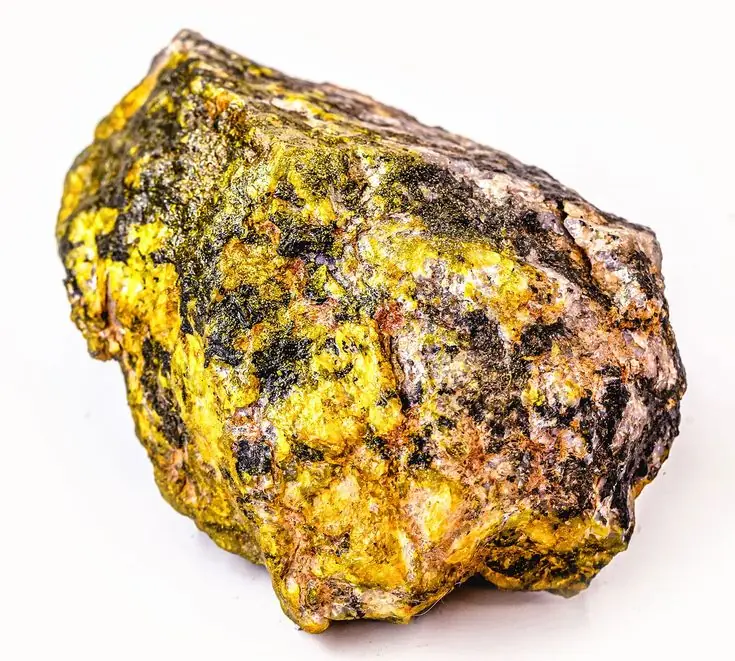
Platinum, palladium, rhodium and related metals are essential catalytic materials used in emissions control, chemical processing and emerging hydrogen technologies.
Potential role: exploring sourcing relationships across catalytic and clean-energy applications.
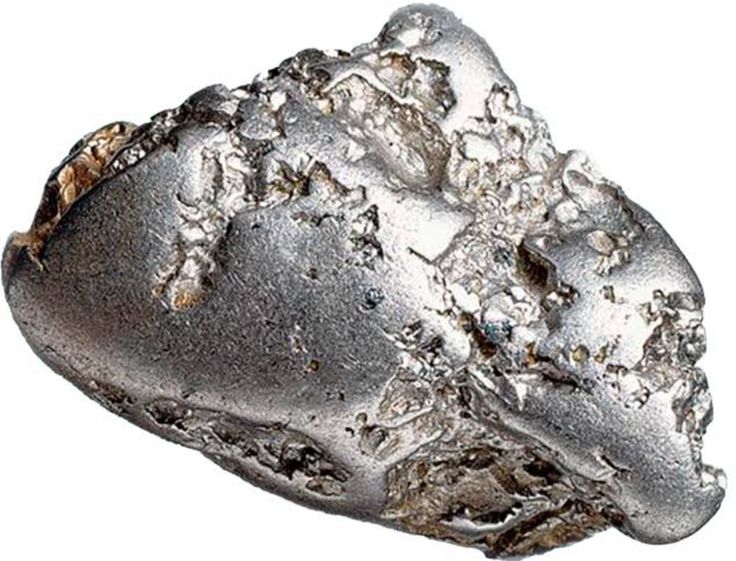
Zinc is widely used for corrosion protection and in alloys and industrial applications, giving it broad relevance across construction, automotive and infrastructure sectors.
Potential role: exploring sourcing opportunities that support galvanizing and industrial alloy demand.
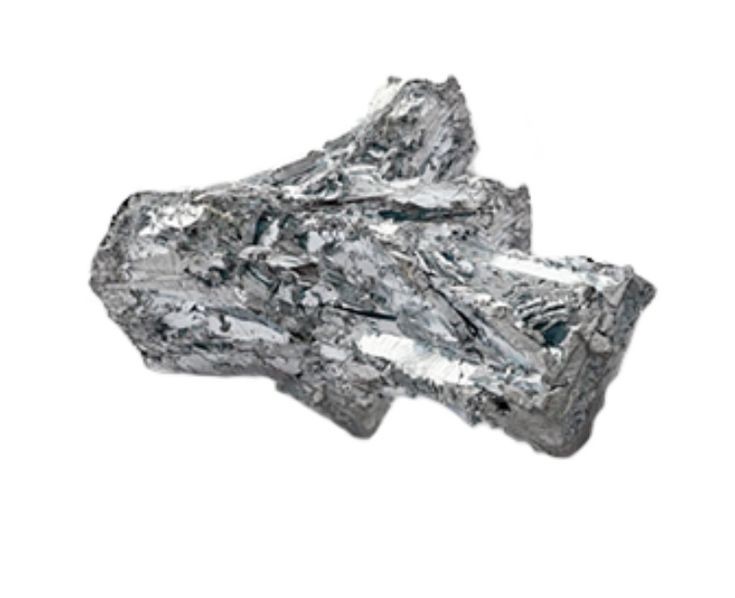
Manganese is a key input for steelmaking and an emerging material in certain battery chemistries, giving it relevance across both established and next-generation industries.
Potential role: exploring sourcing opportunities that connect manganese resources with steel and battery-material producers.
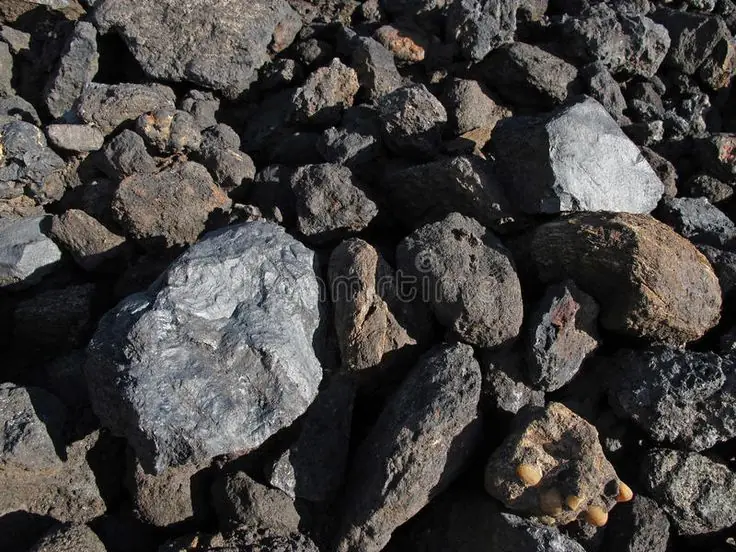
Aluminum's light weight, corrosion resistance and recyclability make it a foundational material across transport, construction and electrical applications.
Potential role: exploring sourcing and supply relationships that support aluminum-dependent manufacturing.
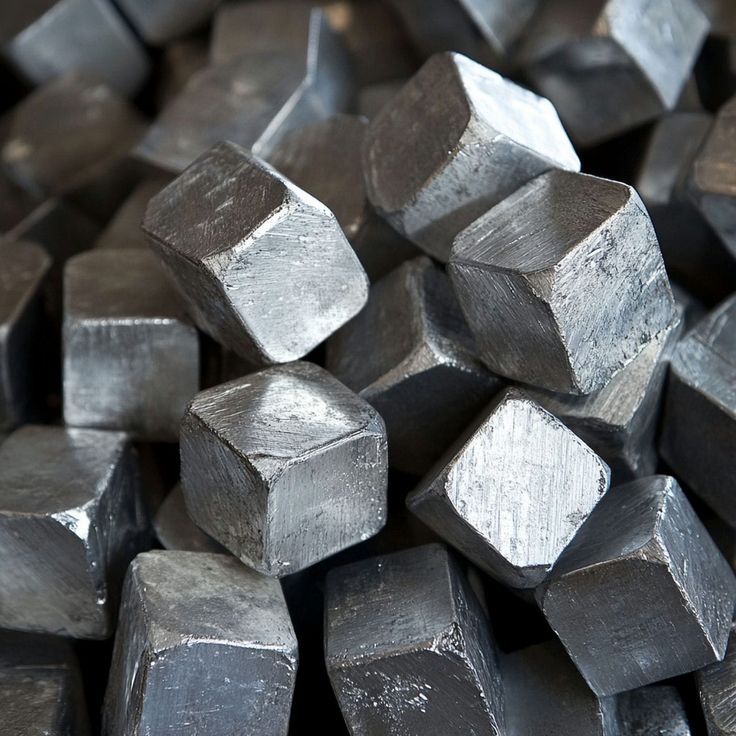
Silicon is the base material for semiconductors and solar photovoltaic cells, positioning it at the center of both the electronics and clean-energy industries.
Potential role: working toward sourcing relationships that support semiconductor-grade and solar-grade silicon demand.
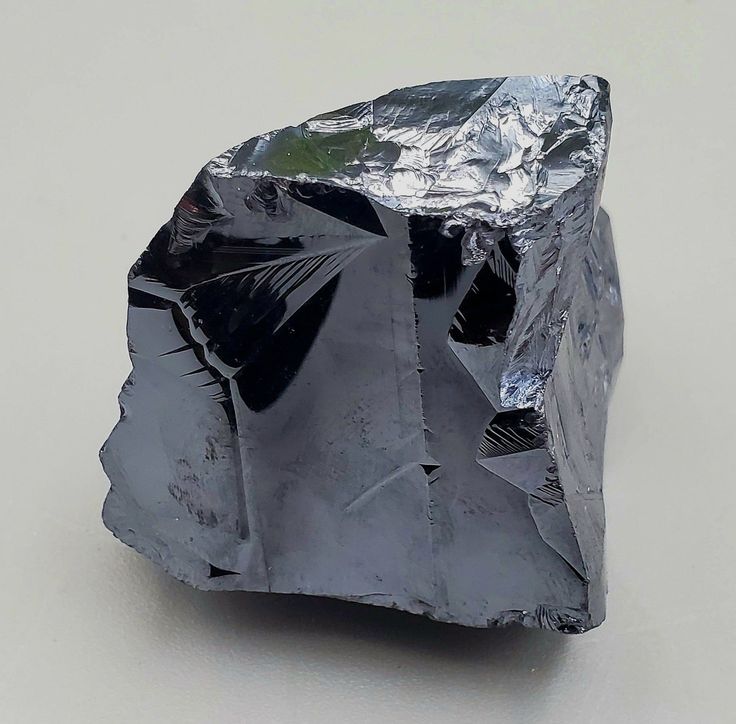
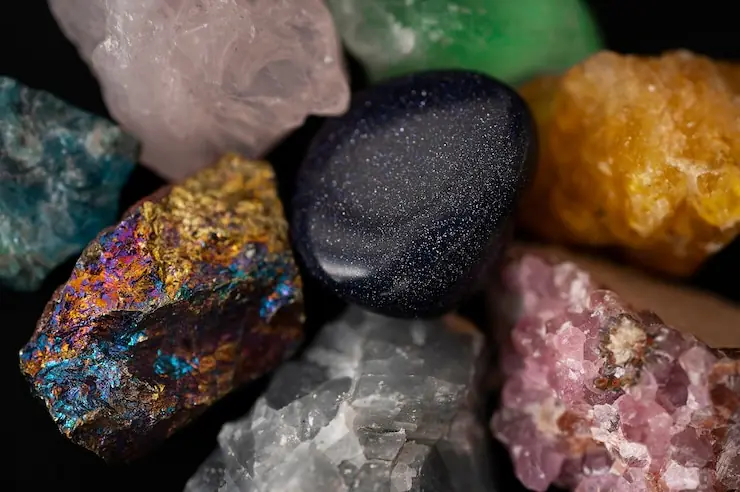
Rare earth elements — a group of seventeen chemically related elements including neodymium, praseodymium, dysprosium and terbium — are among the most strategically significant of all critical minerals. Their unique magnetic and optical properties make them essential to permanent magnets, which in turn power electric motors, wind turbine generators and a wide range of precision electronics.
Their importance extends well beyond clean energy. They are used in defence technologies, guidance and sensing systems, precision equipment and advanced materials where performance requirements are exceptionally high. At the same time, global processing and separation capacity for rare earths remains concentrated in relatively few locations, making supply diversification and responsible value addition an important strategic consideration.
JAI PURI CRITICAL MINERALS recognises that rare earth value is created not only through raw resource access, but through responsible exploration, processing, separation and downstream value addition. We are focused on exploring opportunities across this value chain through partnerships with capable processing and technology specialists, with the aim of supporting more diversified and resilient rare earth supply.
Critical minerals move through several distinct stages before they become usable industrial inputs. Understanding — and participating in — this value chain is central to how JAI PURI CRITICAL MINERALS approaches the sector.
Identifies geological potential through assessment and survey work.
Evaluates the scale and viability of identified opportunities.
Extracts mineral-bearing material where projects are developed.
Applies appropriate technical processes to prepare minerals for further use.
Concentrates and upgrades raw material into usable intermediate products.
Produces higher-purity materials suited to specific industrial applications.
Transforms refined minerals into advanced materials and components.
Connects finished materials with manufacturers and end-use industries.
JAI PURI CRITICAL MINERALS aims to participate across this chain through strategic partnerships, sourcing relationships, and potential involvement in processing and supply-chain development — rather than positioning itself at a single point in the chain. This approach is intended to build long-term industrial value rather than simple commodity movement.
Minerals supporting power generation, transmission and grid infrastructure.
Materials essential to solar, wind and broader clean-energy technologies.
Battery and motor materials that enable the shift toward electric transport.
Minerals central to both mobile and stationary energy-storage systems.
Specialty minerals used in semiconductors, components and precision devices.
Materials supporting high-performance industrial production.
Strategic minerals used in high-specification alloys and defence-grade systems.
Materials supporting construction, transport and industrial infrastructure.
Minerals used across conventional and electric vehicle production.
Alloying elements essential to modern steel and metal production.
Industrial materials supporting building and infrastructure development.
Minerals underpinning telecommunications, computing and connected devices.
Long-term value in the mineral sector depends on responsible practices at every stage of the value chain.
Working with partners who share a commitment to responsible resource development.
Supporting practices that seek to minimise environmental impact across project activity.
Focusing on the effective use of mineral resources and reducing avoidable waste.
Engaging constructively with communities connected to project locations.
Supporting safety-first practices across exploration, processing and supply activities.
Working toward clear and traceable supply relationships.
Supporting appropriate land management and rehabilitation practices where relevant.
Exploring recycling and resource-recovery opportunities alongside primary sourcing.
These principles reflect an ongoing commitment rather than a fixed set of claims, and are applied as JAI PURI CRITICAL MINERALS develops its projects and partnerships over time.
Building a resilient mineral platform requires collaboration across the value chain. JAI PURI CRITICAL MINERALS is focused on exploring potential collaboration with:
Through these relationships, JAI PURI CRITICAL MINERALS aims to combine technical capability, industrial demand and responsible resource development into a coherent, long-term platform.
Reliable mineral supply depends on more than resource access — it depends on strong relationships across sourcing, processing, logistics and industrial demand.
Identifying dependable mineral sources aligned with industrial requirements.
Building long-term relationships with credible mineral suppliers and partners.
Supporting consistent quality and specification compliance across supply.
Coordinating the efficient movement of mineral materials.
Working with processing specialists to add value along the supply chain.
Focusing on durable relationships rather than one-off transactions.
Aligning supply approaches with the specific needs of industrial customers.
Critical minerals have become a defining priority for India's industrial and energy strategy. In 2023, India's Ministry of Mines released a list of 30 critical minerals considered essential to the country's economic development and national security, with 24 of these placed under Part D of Schedule I of the Mines and Minerals (Development and Regulation) Act, 1957 — giving the central government exclusive authority to auction mining leases for these minerals. Building on this, the Union Cabinet approved the National Critical Mineral Mission in 2025, with a multi-year outlay directed toward strengthening domestic exploration, processing capacity, recycling and international mineral partnerships, including an expanded exploration programme led by the Geological Survey of India.
This national focus reflects a broader global trend. As countries accelerate their energy transitions, expand electric mobility and invest in advanced manufacturing and semiconductor capacity, demand for critical minerals continues to rise — while global supply and processing capacity remains concentrated in a limited number of regions. This combination has made diversified, resilient and responsibly managed mineral supply chains a strategic priority for governments and industry worldwide.
JAI PURI CRITICAL MINERALS sees this environment as the foundation for long-term opportunity — supporting India's industrialisation and energy transition while contributing, through partnerships and supply-chain development, to a more diversified global critical minerals landscape.
Critical minerals identified by India's Ministry of Mines (2023) as essential to economic development and national security.
Of those minerals placed under Part D, Schedule I of the MMDR Act, 1957, for central-government lease auctions.
Year the Union Cabinet approved the National Critical Mineral Mission, backing exploration, processing and recycling.
The strategic value of a critical mineral is rarely defined by the raw resource alone — it is created through the journey from raw material to refined, industrial-grade product.
Upgrading raw mineral material into higher-grade concentrates.
Applying appropriate technical processes to prepare minerals for further use.
Producing higher-purity materials suited to specific industrial specifications.
Supporting the alloying and metal-processing needs of industrial customers.
Contributing to materials engineered for specific performance characteristics.
Exploring opportunities to recover critical minerals from secondary sources.
Supporting the broader shift toward higher-value, technology-enabled mineral processing.
The shift toward renewable energy, electric mobility and battery storage depends on a stable supply of lithium, cobalt, nickel, graphite, copper and rare earth elements.
Modern manufacturing increasingly depends on specialty alloys built from minerals such as titanium, vanadium, niobium and tungsten.
Semiconductors, telecommunications equipment and precision electronics rely on minerals such as gallium, germanium and tantalum.
Copper, manganese, chromium and related minerals underpin the power, transport and construction infrastructure that supports growth.
Concentrated global supply and processing capacity has made diversified, responsible mineral supply chains a national priority.
Identify strategic mineral opportunities and emerging resource requirements.
Support responsible resource development through capable partnerships.
Explore beneficiation, processing and value-addition opportunities.
Build reliable links between mineral resources and industrial customers.
Focus on long-term industrial value rather than simple commodity movement.
Critical minerals will shape the industries, technologies and energy systems of the coming decades. JAI PURI CRITICAL MINERALS invites mining companies, mineral producers, technology providers, investors and industrial partners to explore opportunities together — building responsible, resilient mineral value chains that support the next generation of global industry.
See how Jai Puri Holdings brings mining, critical minerals, advanced materials, energy, infrastructure, realty and marine bio refining together as one integrated group.